
Character Design for a Video Game refers to the process of creating and developing the visual appearance and attributes of the characters in a video game. This process involves designing the character’s physical appearance, personality, backstory, abilities, and any other defining traits that make them unique.
The goal of character design is to create compelling, engaging, and memorable characters that players can connect with and relate to. The design should also be consistent with the overall theme and tone of the game, as well as the target audience.



Overall, character design is a crucial aspect of video game development, as it plays a significant role in shaping the player’s experience and emotional connection to the game. By creating memorable and relatable characters, game developers can create a more immersive and engaging gaming experience for players.
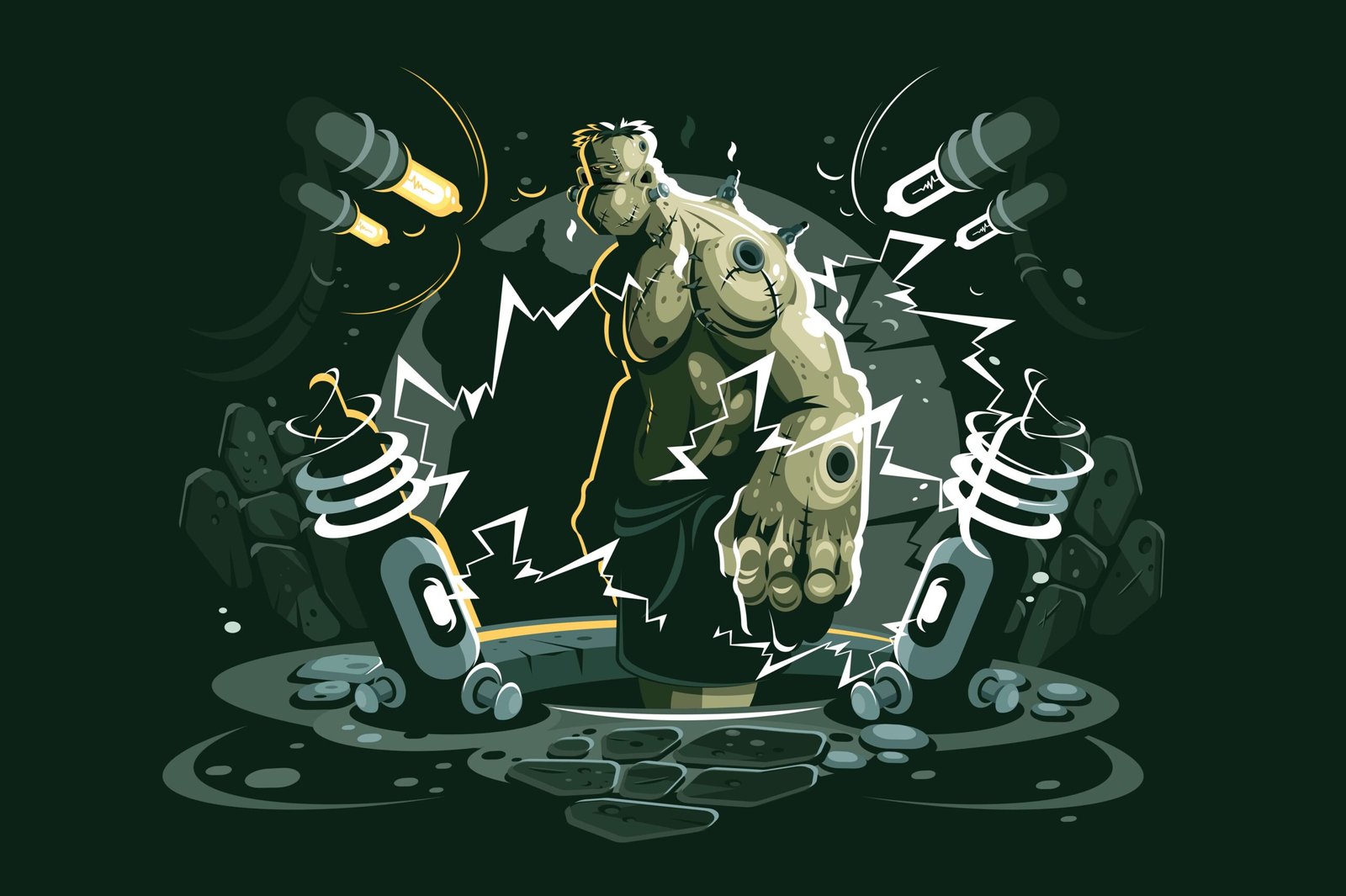
Process that involves designing characters that resonate with players and contribute to the overall narrative and gameplay experience. It involves understanding the game’s world, mechanics, and player demographics, as well as drawing from various sources of inspiration to create characters that are unique, relatable, and memorable.
The process typically includes conceptualizing the character’s appearance, personality, and backstory, as well as developing their abilities and animations. Artfluent’s designers work closely with the game’s developers to ensure that each character is well-suited to their role and enhances the player’s overall gaming experience.
Start by determining the character’s backstory, traits, and personality.
Focus on the silhouette, stance, and overall appearance of the character.
This process involves adding more details, defining the character’s features, and adding color.
Make sure the character’s proportions are correct and the model is optimized for the game engine.
This includes idle animations, walking, jumping, and attacking animations.
Finally, test the character in the game engine and iterate as needed. Pay attention to how the character looks and feels in the game.